Kathmandu, Nepal: A team of international financial inspectors has given Nepal a blunt warning: start punishing money launderers and corrupt officials quickly, or face severe economic consequences in the coming days.
The delegation from the Asia/Pacific Group on Money Laundering (APG) issued the warning to state officials as they concluded a high-stakes, three-day visit to Kathmandu. The APG team made it clear that Nepal is running out of time to fix its weak financial laws before a final global review this September.
Nepal was placed on an international "grey list" in early 2025 for being too soft on financial crime, tracking illegal wealth poorly, and rarely taking money launderers to court. This latest warning from the APG is expected to pressure the government and relevant authorities to take control of financial crimes and misconduct seriously. The watchdog's primary goal is to push the country to finally complete a 15-point action plan to secure its banking system and stop the flow of dirty money.
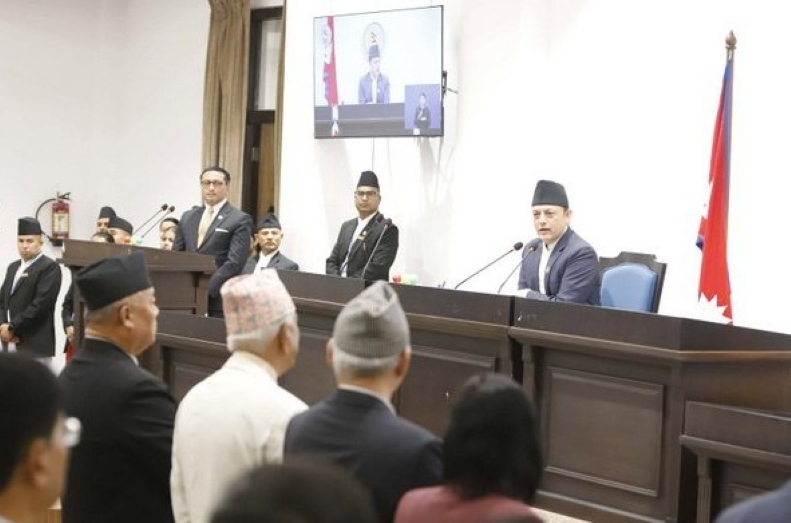
As part of the visit, the inspectors held a crucial meeting with Prem Kumar Rai, the Chief Commissioner of Nepal’s top anti-corruption agency, the Commission for the Investigation of Abuse of Authority (CIAA).
The delegation told Rai that his office must act faster and start aggressively tracking where corrupt officials hide their stolen money. Chief Commissioner Rai thanked the team for the reality check and promised that the CIAA would make money laundering and asset tracing its top priorities to help save Nepal from being blacklisted.
The inspectors also met with the Finance Ministry and other top officials to evaluate why the country's progress has been so slow over the past year. While government officials have tried to downplay the visit as a friendly check-in, insiders say the international community is deeply frustrated. Inspectors noted that despite a few recent fraud arrests, the actual number of financial crime cases moving through Nepali courts remains dangerously low.
With less than four months left before the final deadline, the watchdog group warned that passing laws on paper is no longer enough. If Nepal cannot prove by September that it is actively freezing illegal bank accounts, seizing criminal assets, and sending financial fraudsters to prison, it will land on the international blacklist. This would isolate Nepal from the global banking system, making international trade, foreign aid, and everyday money transfers much harder and more expensive.