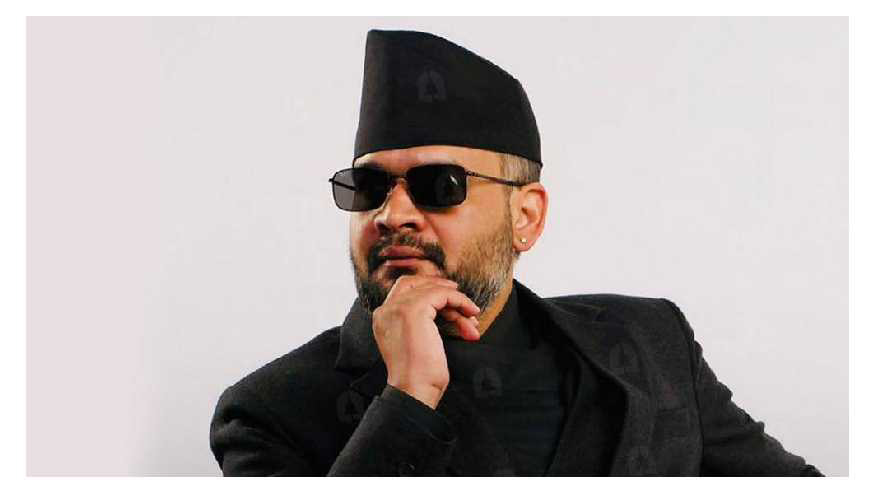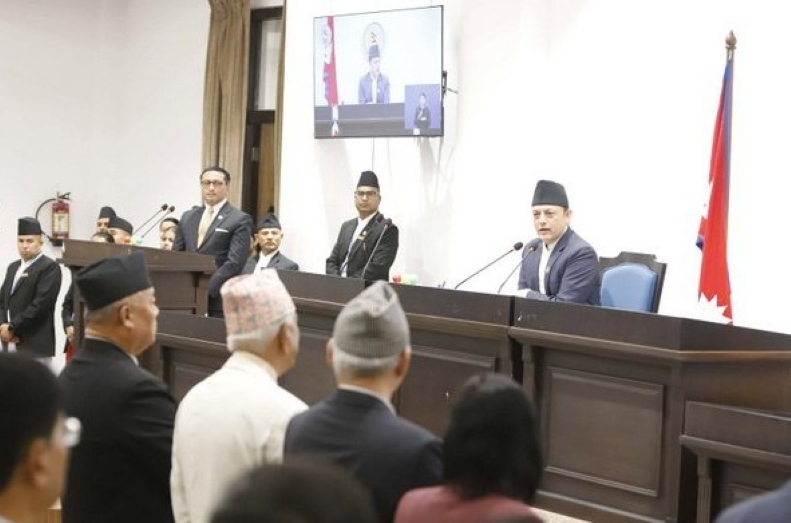
The formation of a new government in Nepal under the leadership of Balen Shah signals a moment of both promise and caution for the country’s foreign policy. Known for his reform-oriented approach and independent political image, Shah represents a departure from traditional party leadership. However, translating domestic credibility into effective diplomacy will require careful policy direction, institutional strength, and strategic clarity.
Managing Ties with Immediate Neighbours
Nepal’s foreign relations are deeply shaped by its geographic position between India and China. As a result, maintaining balanced and stable ties with both neighbours remains a central challenge.
Relations with India are rooted in close historical, cultural and economic connections. At the same time, periodic tensions—particularly over border disputes and trade disruptions—have tested this relationship. The new government is expected to pursue constructive engagement through dialogue and cooperation. However, Nepal must also address its structural dependence on India for trade and transit, while safeguarding its sovereign interests.
Engagement with China has expanded in recent years, especially in the areas of infrastructure and investment. These developments offer opportunities for economic growth and diversification. Yet, they also require careful assessment to ensure transparency, financial sustainability and long-term national benefit. A cautious and balanced approach will be essential to avoid overdependence on any single partner.
Revitalising Regional Engagement
Nepal remains an active member of regional groupings such as SAARC and BIMSTEC. These platforms hold potential for regional cooperation in trade, connectivity and development. However, their effectiveness has often been limited by broader geopolitical tensions among member states.
While the new government may seek to play a more active role, Nepal’s influence within these organisations remains modest. As such, a focus on practical cooperation and achievable outcomes will be more valuable than symbolic participation.
Expanding Global Partnerships
Beyond its immediate neighbourhood, Nepal continues to engage with global partners including the United States, the European Union and Japan. These relationships largely centre on development assistance, governance reform, education and climate resilience.
Such partnerships can support Nepal’s development goals, but they must be managed carefully. External support often comes with expectations, and it is important that Nepal ensures alignment with its own national priorities. Strengthening transparency and accountability in the use of foreign assistance will also be key to building long-term trust.
Economic Diplomacy and Reform Needs
Economic diplomacy is likely to remain a key priority for the new administration. Efforts to attract foreign investment, promote tourism and develop sectors such as hydropower and agriculture are expected to continue.
However, persistent structural challenges—including weak infrastructure, bureaucratic delays and policy uncertainty—continue to hinder progress. Without meaningful reforms to improve the investment climate, these ambitions may fall short. Strengthening regulatory frameworks and ensuring policy consistency will be essential for sustainable economic engagement.
Balancing Principles and Practicality
Nepal’s foreign policy has traditionally been guided by the principles of Panchasheel and non-alignment. These principles emphasise mutual respect, non-interference and peaceful coexistence, and they continue to provide a useful framework for diplomacy.
In practice, however, maintaining neutrality in an increasingly competitive geopolitical environment is not always straightforward. Nepal must carefully navigate external pressures while pursuing its own economic and strategic interests. This requires not only adherence to principles, but also a clear and pragmatic policy approach.
The Importance of Institutional Strength
While leadership plays an important role, foreign policy is ultimately shaped by institutions. Balen Shah’s leadership may bring new energy and direction, but effective diplomacy will depend on coordination across government bodies and continuity in policy implementation.
Strengthening institutional capacity and ensuring informed decision-making will be critical to maintaining consistency and credibility in Nepal’s external relations.
Conclusion
Nepal’s new government faces a complex diplomatic landscape. Managing relations with India and China, engaging effectively in regional platforms, and maintaining balanced global partnerships will require careful judgement and steady leadership.
The opportunity for a more pragmatic and transparent foreign policy exists. However, its success will depend on the government’s ability to combine reform ambitions with realistic strategies, strong institutions and a clear focus on national interest.